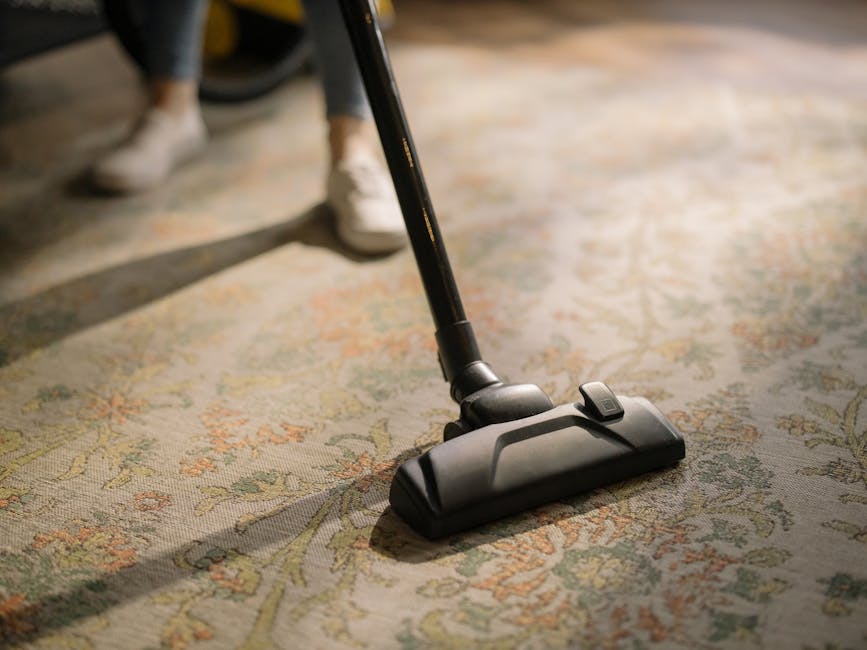
Mitcham Eastfields Carpet Cleaning Service Near Station: What Local Homeowners and Tenants Should Know
If you live or work close to Mitcham Eastfields, you already know the small stuff matters. A muddy hallway, a tired living room carpet, or that one stain nobody wants to talk about can make a place feel less cared for than it really is. A Mitcham Eastfields carpet cleaning service near station is about more than a quick refresh; it is a practical way to keep flooring cleaner, healthier, and easier to live with, especially in busy homes near a station where foot traffic never quite stops.
In this guide, you will find a clear explanation of how the service works, who it suits, what to expect, and how to avoid the common mistakes that cost people time and money. We will also look at cleaning methods, best-practice tips, and a simple checklist you can use before booking. Truth be told, a good carpet clean is one of those jobs people delay until they are staring at the stain. Better not leave it that long.
For a broader look at the core service behind this topic, you may also find the main carpet cleaning page useful, and if you are comparing finishes or tougher dirt levels, steam carpet cleaning explains a popular deep-clean approach in plain English.
Table of Contents
- Why Mitcham Eastfields carpet cleaning service near station Matters
- How Mitcham Eastfields carpet cleaning service near station Works
- Key Benefits and Practical Advantages
- Who This Is For and When It Makes Sense
- Step-by-Step Guidance
- Expert Tips for Better Results
- Common Mistakes to Avoid
- Tools, Resources and Recommendations
- Law, Compliance, Standards, or Best Practice
- Options, Methods, or Comparison Table
- Case Study or Real-World Example
- Practical Checklist
- Conclusion
- Frequently Asked Questions
Why Mitcham Eastfields carpet cleaning service near station Matters
Living near a station has real advantages, but carpets take a beating. Shoes bring in grit, salt, rainwater, coffee splashes, commuter dust, and the occasional bit of mystery grime that seems to appear out of nowhere. Near Mitcham Eastfields, that kind of everyday wear builds up quickly, especially in hallways, landings, living rooms, and rental properties where people are coming and going all the time.
A professional carpet clean matters because carpets do not just look dull when they are dirty; they can hold onto soil that acts like sandpaper underfoot. Over time, that can flatten fibres and make a room feel older than it is. You will notice it first in the traffic lanes, usually as a change in colour or texture. Then there is the smell factor. Not dramatic, just that slightly stale, lived-in scent that hangs around after a few damp days.
For station-adjacent homes, timing matters too. If you are juggling work, school runs, visitors, or a move, having a local service nearby makes the job easier to organise. Less waiting around, less disruption, and less chance of putting it off for another month. That alone can make a big difference.
There is also a trust angle. When a cleaner works in your local area, it is easier to plan access, parking, arrival windows, and post-clean drying time. Near a station, where streets can be busy and schedules tight, that practical convenience is worth a lot. Why make the process harder than it needs to be?
How Mitcham Eastfields carpet cleaning service near station Works
Most professional carpet cleaning jobs follow a fairly similar process, although the exact method depends on the carpet fibre, level of soiling, and the kinds of stains involved. The aim is simple: loosen dirt, extract it safely, and leave the carpet as fresh and even as possible without damaging the pile.
A typical appointment starts with inspection. The cleaner looks at the carpet type, problem areas, and any signs of wear or colour instability. This matters because not every carpet behaves the same way. Wool, synthetic blends, and delicate rugs all need a slightly different touch. A good cleaner will not treat every room like the same job. That would be a bit like using the same setting on every washing machine load and hoping for the best.
Next comes preparation. Loose debris is removed, traffic lanes are assessed, and pre-treatment may be applied to stubborn marks. In many cases, stain removal is handled before the main clean so the soil can be worked on properly. If you are dealing with a specific mark, the stain removal service can be a useful companion, especially when the stain has already settled in.
The main cleaning stage depends on the method chosen. Steam-based cleaning is often used for deeper extraction, while other approaches may suit quicker maintenance cleans or more delicate carpets. After cleaning, the carpet is extracted and left to dry. Drying time varies with fibre type, ventilation, temperature, and how heavily soiled the carpet was to start with. Open a window if you can; even a small bit of airflow helps.
In homes near the station, access is often part of the process too. Cleaners may need to work around narrow entrances, stairwells, shared hallways, or a tight arrival slot. This is one reason a nearby service can feel easier: the practical details are simpler to manage, and nobody wants a rushed clean because the day has gone sideways.
Key Benefits and Practical Advantages
The obvious benefit is a cleaner carpet. Fair enough. But the real value usually goes further than appearance.
- Cleaner-looking rooms: Fresh carpets make a home feel brighter and more cared for, even when the rest of the room is modest or functional.
- Better day-to-day hygiene: Regular cleaning reduces the build-up of embedded dust, allergens, and general grime that vacuuming alone may not fully remove.
- Longer carpet life: Removing trapped grit helps protect fibres and slows down wear in busy areas.
- Improved smell: Odours from pets, spilled drinks, and damp shoes tend to fade once the deep dirt is removed.
- Better rental presentation: If you are a tenant moving out or a landlord preparing a property, clean carpets make a stronger first impression.
- Practical local convenience: A service near Mitcham Eastfields is easier to fit around station travel, parking, and access timing.
There is also a mental benefit people do not always mention. When carpets are clean, the whole room feels easier to live in. You stop noticing the stain every time you sit down. Small thing, maybe. But it matters.
Expert summary: If your carpet is visibly dull, has traffic-lane marking, or still smells slightly musty after vacuuming, a professional clean is usually the most efficient next step. Waiting too long often makes the job harder, not cheaper.
If you are weighing up different floor care options, the broader rug cleaning and upholstery cleaning pages can help you think about how whole-room cleaning works together, especially if your carpets share space with sofas, runners, or cushions that pick up the same dust.
Who This Is For and When It Makes Sense
This service makes sense for a surprisingly wide range of people. Not just households with obvious mess, either. In fact, some of the best reasons to book are the least dramatic ones.
It is a good fit if you are:
- a homeowner wanting to freshen up a lounge, stairs, or hallway
- a tenant preparing for the end of a tenancy inspection
- a landlord getting a property ready between lets
- a busy commuter who wants a local service that can fit around rail travel
- a family dealing with muddy shoes, children, or pet traffic
- a business owner with customer-facing floors near the station
You might also need a carpet clean after a life event rather than a problem. A new baby. A house move. A guest room you want to feel inviting again. Or maybe you simply want the place to feel less tired. That is valid, by the way. Not every booking has to be about catastrophe.
For commercial premises, the best fit is often a planned maintenance schedule rather than waiting until carpets look rough. If your property has a reception, waiting area, or shared office space, commercial carpet cleaning may be a better match than a one-off domestic tidy-up.
And if the issue is not the carpet itself but the room around it, you may want to combine cleaning tasks. Curtains hold dust, sofas collect body oils and crumbs, mattresses gather odour and skin debris over time. They all connect. A room rarely gets dirty in just one place.
Step-by-Step Guidance
If this is your first time booking a local carpet clean near Mitcham Eastfields, here is the simplest way to think about it from start to finish.
- Identify the problem areas. Walk through each room and note stains, heavy-traffic patches, pet smells, or any areas that feel flat and lifeless.
- Check the carpet type if you can. Wool, synthetic, loop pile, and blended carpets can all need different handling. If you are not sure, that is fine. A professional inspection will usually sort it out.
- Choose the rooms that matter most. Hallways and lounges usually give the biggest visual impact, while stairs and landings often show wear first.
- Clear the area. Pick up small items, breakables, loose cables, and anything fragile. A little prep speeds things up.
- Discuss stains honestly. Say what caused them if you know. Coffee, wine, pet accidents, and old food marks do not all respond the same way.
- Ask about drying time. This is especially useful if you need access later in the day or you are working from home.
- Keep ventilation in mind. Fresh air helps. So does giving the carpet space to dry naturally before replacing heavy furniture.
- Do a final check once dry. Look at the traffic lanes, edge areas, and any spots that may need a second pass or a different treatment.
A small practical point: if you are planning work around a station commute, book the appointment with your timing in mind. If you know you will be out for part of the day, that can be ideal. Less hovering, less fuss.
If you want a broader quote process before deciding, the pricing and quotes page is the right place to understand how estimates are usually handled, and the contact us page is there when you are ready to ask a direct question.
Expert Tips for Better Results
Most carpet cleaning problems are avoidable with a few small habits. Nothing flashy. Just sensible housekeeping and the occasional bit of common sense.
- Vacuum before the cleaner arrives. It sounds obvious, but removing loose grit helps the cleaning stage work better.
- Treat spills quickly. Blot, do not rub. Rubbing pushes the stain deeper and can rough up the pile.
- Use mats at entrances. Near a station, this one is a no-brainer. A good mat catches a lot of debris before it reaches the carpet.
- Rotate furniture where possible. Traffic marks often look worse in the same path over and over.
- Ask about fibre safety. Some carpets are more sensitive to moisture, agitation, or alkaline products.
- Plan furniture movement early. Heavy items can leave dents or slow down drying if they are put back too soon.
- Schedule regular cleans for busy areas. Hallways, stairs, and living rooms usually need attention sooner than bedrooms.
One thing people overlook: cleaning is not just about the stain you can see. It is about the soil you cannot. That fine grey build-up in walkways? It is usually what makes a carpet look old before its time. Get rid of that, and suddenly the room changes. Quite noticeably, actually.
If your home also has soft furnishings that soak up odours or pet mess, the related pet stain odour removal service can be useful where smells have drifted beyond the carpet fibres. That one can save a lot of guessing, honestly.
Common Mistakes to Avoid
Carpet cleaning is one of those jobs where small mistakes create outsized frustration. Here are the ones that come up most often.
- Leaving stains too long: Fresh spills are easier to treat than old, set-in marks. Time is not your friend here.
- Using too much water: More moisture does not mean a better clean. It can lead to slow drying and lingering smells.
- Scrubbing aggressively: This can damage pile direction and spread the stain further.
- Skipping pre-inspection: Without checking the fibre type and condition, the wrong method can cause trouble.
- Putting furniture back too soon: Heavy items can mark damp carpets or trap moisture underneath.
- Assuming every clean is the same: A quick spruce-up is different from a deep extraction clean. The job needs to match the carpet.
- Ignoring odour sources: Sometimes the carpet is only part of the issue. Underlay, upholstery, or a nearby rug may also need attention.
A small human one for you: people often call after trying an online home remedy that sounded brilliant at 11 p.m. and less brilliant by breakfast. Happens all the time. The trick is not to panic. Just stop, dry the area properly, and get sensible help if needed.
For delicate items around the room, curtain cleaning and sofa cleaning can help complete the job rather than leaving one surface refreshed and everything else still carrying the dust.
Tools, Resources and Recommendations
You do not need a house full of equipment to keep carpets in decent shape, but a few basics help. For most people, the goal is maintenance between professional visits rather than trying to do the whole job yourself.
Useful tools and habits:
- a vacuum with decent suction and a clean filter
- plain white cloths or paper towels for blotting spills
- a door mat at each entrance, especially on wet days
- a soft brush for lifting pile after drying if needed
- good ventilation, even in colder months
Practical recommendations:
- Book a deep clean after a period of heavy footfall, such as winter rain or a long rental tenancy.
- Combine carpet care with sofa and rug care if the same room feels tired across the board.
- Ask for clear guidance on drying and re-entry, especially if children or pets are in the home.
- Keep a note of any stain products used previously, because some residues affect treatment outcomes.
If you want to understand the service provider a little better before booking, the about us page is a sensible place to look. It helps you get a feel for how the business is set up and what kind of approach you can expect. And if payment handling matters to you, the payment and security page is worth a glance too. No one likes uncertainty at the end of a job.
Law, Compliance, Standards, or Best Practice
For carpet cleaning in the UK, the main thing is not to overcomplicate it. There is no need to pretend this is a heavily regulated mystery. But there are still sensible standards and duties that matter, especially around safety, insurance, waste handling, and fair customer treatment.
Best practice usually includes:
- using suitable products for the carpet fibre and stain type
- working carefully around electrical items, furniture, and access routes
- following safe handling and drying procedures
- being clear about limitations before cleaning starts
- having appropriate insurance in place
- treating customer property with care and respect
For households and landlords, the key point is simple: a cleaner should not make assumptions about fibre safety or condition. If a carpet is fragile, the job should be adjusted, not forced. That is just good practice. The same goes for businesses. A cleaner working near a station should be mindful of access, trip hazards, and how the work fits into the property's daily use.
If you want reassurance on responsible operations more broadly, the business's insurance and safety and health and safety policy pages are useful internal references. Sustainability-minded customers may also appreciate the recycling and sustainability information, because disposal and product use are part of the bigger picture, even if they do not get much attention.
For disputes or service concerns, having a clear complaints procedure is a reassuring sign. It shows there is a route for resolving issues in a structured, fair way. That matters more than people think.
Options, Methods, or Comparison Table
Different carpets need different approaches. Here is a simple comparison that helps you think through the main options without all the jargon.
| Method | Best for | Strengths | Watch-outs |
|---|---|---|---|
| Steam carpet cleaning | Deep cleaning, heavier soil, busy rooms | Good for embedded dirt and a thorough finish | May need longer drying time |
| Targeted stain treatment | Specific spots, accidental spills, marked traffic areas | Focused and efficient | May not refresh the whole carpet evenly |
| Maintenance clean | Light refresh between deeper visits | Quick, practical, less disruptive | Won't remove all deep-set grime |
| Combined soft furnishing care | Rooms where carpets, rugs, and upholstery all look tired | More even room-wide result | Can take longer to complete |
Which option is best? It depends on the room, not the marketing language. A hallway near a station entrance may need something stronger than a bedroom carpet that only sees slippers and the odd sock. Meanwhile, a lounge with a good rug and fabric sofa may benefit from a fuller treatment rather than a single-surface clean.
If you are comparing carpet care with other soft furnishing jobs, the mattress cleaning page is a useful example of how different materials need different treatment. Similar principle, different surface.
Case Study or Real-World Example
Imagine a small two-bedroom flat close to Mitcham Eastfields station. The occupants both commute, the hallway gets constant foot traffic, and the lounge carpet has a visible path from the door to the sofa. Nothing dramatic, but the carpet has lost its colour in the middle and there is a faint damp smell after rainy weeks. Not terrible. Just enough to bother you every time you walk in.
Before booking, they vacuum thoroughly, move small items, and note two problem areas: an old coffee mark near the sofa and a dark strip by the entrance. A cleaner inspects the carpet, identifies the fibre as suitable for a deeper clean, and applies pre-treatment to the traffic lane and stain. The room is cleaned section by section, then left to dry with windows opened a little for airflow.
What changes? The room looks lighter straight away. The path through the carpet is much less obvious. The coffee mark softens noticeably, even if older stains do not always vanish completely. More importantly, the flat no longer feels as if it has been carrying the outside world in with every step. That is the sort of result people often want, even if they do not say it quite like that.
Would the same result happen in every property? No, of course not. Older carpets, pet damage, and badly set stains can behave differently. But this is a good example of what a sensible, local carpet clean can achieve when the job is matched to the condition of the floor.
Practical Checklist
Use this simple checklist before your appointment. It keeps things calm and avoids the usual last-minute scramble.
- Walk through each room and list the worst marks or worn areas
- Vacuum the carpet if time allows
- Move small items, toys, and loose objects
- Note any pet accidents, drink spills, or old stains
- Make sure access is clear from the door to the room
- Ask about drying time and when furniture can go back
- Check whether your carpet has any delicate fibres or loose edges
- Plan ventilation for after the clean
- Keep pets and children away from damp areas until dry
- Inspect the result once the carpet is fully dry
Quick takeaway: the best carpet cleaning results usually come from a mix of preparation, the right method, and sensible aftercare. Nothing fancy. Just a steady, well-handled job done properly.
Conclusion
A Mitcham Eastfields carpet cleaning service near station is most useful when you want a practical, local solution that fits real life. It helps busy homes, rental properties, and small businesses keep carpets looking fresher, lasting longer, and feeling more pleasant day to day. Near a station, the convenience matters just as much as the clean itself.
If you remember only three things, make them these: deal with stains promptly, choose the right cleaning method for the carpet, and do not underestimate how much difference a properly cleaned hallway or lounge can make. It is one of those jobs that quietly improves everything around it. A bit of calm in the middle of a busy week. Nice, really.
Get a free quote today and see how much you can save.
And if you are still deciding, take your time. The right clean should feel straightforward, reassuring, and properly suited to your home. That is the sort of service worth having nearby.
Frequently Asked Questions
How often should carpets near Mitcham Eastfields station be cleaned?
It depends on foot traffic, pets, children, and whether you are close to an entrance that gets a lot of outdoor dirt. Busy homes often benefit from a deeper clean more regularly than low-traffic rooms, especially hallways and living rooms.
Is steam carpet cleaning suitable for all carpets?
Not always. Steam cleaning is widely used, but the carpet fibre, backing, and overall condition need to be checked first. Delicate or older carpets may need a gentler approach.
How long does carpet drying usually take?
Drying time varies with method, room temperature, airflow, and pile thickness. Light maintenance cleans may dry faster, while deeper cleans often take longer. Good ventilation helps a lot.
Can carpet cleaning remove old stains completely?
Sometimes yes, sometimes partly, and sometimes not fully. The outcome depends on the stain type, how long it has been there, and whether any previous DIY treatment has set it further into the fibres.
Do I need to move furniture before the cleaner arrives?
It helps to move smaller items and fragile objects. Heavy furniture may be moved by arrangement, but this should be discussed in advance so expectations are clear and nothing gets rushed.
Is a local service near the station more convenient?
Usually, yes. A nearby service can make access, timing, and appointment planning simpler, especially if you commute or need to manage a narrow time window.
What is the difference between carpet cleaning and stain removal?
Carpet cleaning treats the whole floor area, while stain removal targets a specific mark or problem patch. Many jobs involve both, but they are not the same thing.
Can professional cleaning help with pet smells?
It often can, particularly if the smell is in the carpet fibres rather than deeper in the underlay. For stronger pet-related issues, you may need a more focused treatment.
Is carpet cleaning worth it for rental properties?
Yes, in many cases. It can improve presentation, help with end-of-tenancy expectations, and make a property feel more cared for between occupants.
What should I ask before booking a carpet clean?
Ask about the cleaning method, drying time, stain handling, access needs, and whether the carpet type is suitable for the proposed treatment. A few clear questions upfront save hassle later.
Can I combine carpet cleaning with sofa or rug cleaning?
Absolutely. In fact, it often makes sense to treat the room as a whole, especially if carpets, rugs, and upholstery all show similar dust or wear.
What if I am not sure what type of carpet I have?
That is fine. A cleaner can usually identify the fibre and condition during the initial inspection. If there is any doubt, the safer method should be chosen rather than guessing.