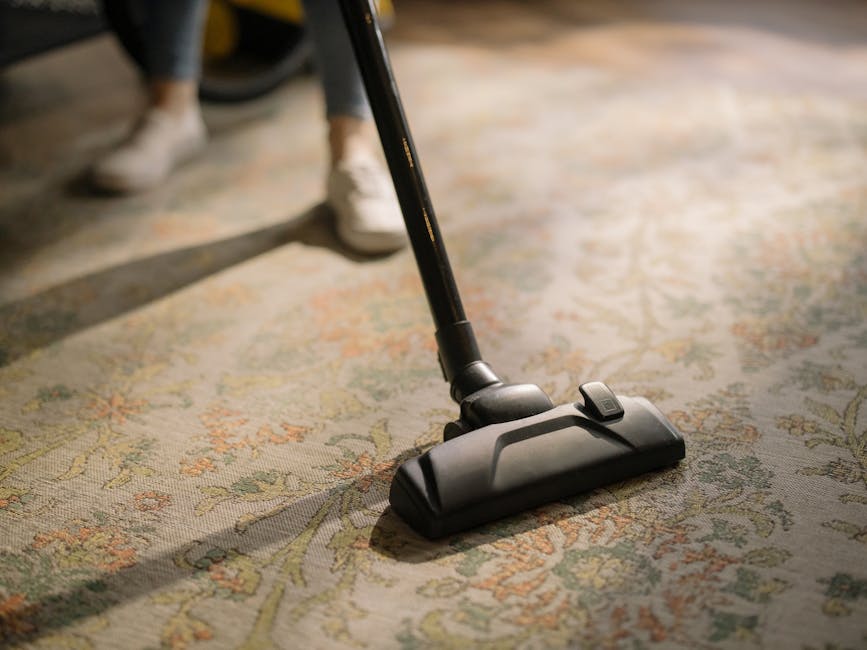
Cricket Green carpet cleaning tips for Victorian terraces
Victorian terraces have a certain charm, don't they? The high ceilings, the narrow stairs, the original floorboards and the carpets that seem to hold on to every bit of London life. If you live in Cricket Green, you'll already know that carpet cleaning in these homes is rarely a simple one-room job. The layout is tighter, the fabrics can be older, and the wrong cleaning method can leave you with damp underlay, patchy colours, or a smell that hangs around far longer than it should.
This guide brings together practical Cricket Green carpet cleaning tips for Victorian terraces that actually help in the real world. We'll look at what makes these properties different, how to clean carpets without causing damage, which methods are worth considering, and where a professional service makes more sense. If you want a cleaner home without turning a pleasant weekend into a wet, awkward saga, you're in the right place.
Table of Contents
- Why this matters in Victorian terraces
- How carpet cleaning works in these homes
- Key benefits and practical advantages
- Who this is for and when it makes sense
- Step-by-step guidance
- Expert tips for better results
- Common mistakes to avoid
- Tools, resources and recommendations
- Law, compliance, standards and best practice
- Options, methods and comparison
- Case study or real-world example
- Practical checklist
- Conclusion
- Frequently asked questions
Why Cricket Green carpet cleaning tips for Victorian terraces Matters
Victorian terraces were not designed around modern cleaning routines. That sounds obvious, but it matters. Narrow hallways, turning stairs, chimneys, alcoves and layered refurbishments all affect how dust and moisture move through the property. In practice, that means carpet care in a terrace often needs a bit more thought than a quick once-over with a machine borrowed from a mate.
Carpets in older homes also tend to show wear in specific ways. The front room may get lots of foot traffic, the stairs collect grit, and the back rooms may be quieter but more vulnerable to stale air and hidden damp. If you have a bay window, a hallway runner, or fitted carpet on steep stairs, you'll know how quickly a small stain can become the first thing you see every time you walk in.
There is also the matter of fabric age. Some Victorian terraces in Cricket Green have been modernised, but many still include older carpet fibres, old underlay, or repairs from previous owners. A cleaning method that works fine on a newer synthetic carpet can be a poor choice for a delicate wool blend or an older, loosely fitted floor covering. To be fair, that is where a lot of people go wrong: they treat every carpet like it is the same. It isn't.
If you want broader support for your home's soft furnishings, it can also help to look at upholstery cleaning and rug cleaning, especially if the whole room needs a refresh rather than just the carpet.
Expert summary: In Victorian terraces, the best carpet cleaning result usually comes from matching the method to the carpet type, checking how quickly the room can dry, and being realistic about age, traffic, and hidden moisture. Simple, but easy to overlook.
How Cricket Green carpet cleaning tips for Victorian terraces Works
At its simplest, carpet cleaning is about removing soil, oils, allergens, and stains while protecting the fibres and the backing. In Victorian terraces, the process has an extra layer: you also need to manage access, airflow, drying time, and the potential for moisture to creep into awkward places like skirting edges or stair edges. A carpet can look clean from the top and still hold damp underneath. That's the bit nobody wants.
There are three broad stages to get right. First, remove loose dirt by vacuuming thoroughly. Second, apply the appropriate cleaning method for the carpet type and level of soiling. Third, dry the carpet properly and keep air moving so the fibres do not stay wet for too long. The principle sounds straightforward, but the difference between decent and disappointing results is often in the details.
For example, if the carpet is heavily soiled at the hallway entrance, pre-treatment matters more than brute force. If there are pet odours in a ground-floor room, a surface clean may improve appearance but not fully resolve the source. And if a staircase carpet has crushed pile, the goal is usually to lift grime and restore freshness, not to make the fibres behave like new. Let's face it, some wear is just wear.
Professional services such as steam carpet cleaning are often considered because they can combine deep cleaning with controlled extraction. That said, steam cleaning is not automatically the answer for every carpet or every room. The right method depends on the material, the stain, and the practical reality of your home.
Key Benefits and Practical Advantages
A well-cleaned carpet does more than look better. It changes how a room feels. The air often feels lighter, the stairs look less tired, and the whole house gives off a more settled, cared-for impression. In an older terrace, that matters because the carpet is often part of the home's character rather than just a soft surface underfoot.
- Better appearance: dirt lines, traffic marks and dull patches become less noticeable.
- Improved freshness: removing trapped soil can reduce stale or musty smells, especially in rooms with limited ventilation.
- Longer carpet life: regular cleaning helps fibres resist premature wear and flattening.
- Healthier indoor environment: routine vacuuming and deep cleaning can reduce dust build-up, which many households notice more in older homes.
- Better value from existing flooring: replacing carpet in a Victorian terrace can be costly and disruptive, so maintenance often makes practical sense.
There is also a quieter benefit: it makes the rest of the home feel easier to look after. Once the carpet is fresh, you tend to notice the curtains, the sofa arms, and the corners behind doors. That can be helpful or mildly annoying, depending on your mood, but it does push you into a more complete clean.
If you're dealing with stains rather than general dullness, the service page on stain removal gives a useful sense of how professionals approach specific marks without guessing or over-wetting the area.
Who This Is For and When It Makes Sense
This advice is useful if you live in a Victorian terrace in Cricket Green and any of the following sound familiar:
- your hallway carpet gets muddy quickly from outdoor foot traffic;
- your stairs look worn even after vacuuming;
- you have children, pets, or both, which honestly multiplies the challenge;
- you have noticed a lingering smell after rain or damp weather;
- you are preparing for guests, a sale, or a tenancy handover;
- you want to keep original or older carpets in better condition for longer;
- you suspect the carpet is holding dust and allergens more than it should.
It also makes sense if you are trying to decide between DIY work and a professional visit. A quick spruce-up before visitors arrive is one thing. A full deep clean after a winter of wet shoes and stair traffic is another. If the carpet has absorbed years of soil, or if you are seeing tide marks after spot cleaning, you may be beyond the "we can fix this in ten minutes" stage.
For homes that need broader fabric care, it can be sensible to combine carpet work with sofa cleaning or even curtain cleaning. Older terraces often benefit from a room-by-room reset, not one isolated tidy-up.
Step-by-Step Guidance
Here is a practical way to approach carpet cleaning in a Victorian terrace without making the usual mistakes.
1. Identify the carpet type
Check whether the carpet is wool, synthetic, a blend, or something older and less obvious. If you do not know, test a small hidden section first. Wool and older carpets generally need more caution with heat, moisture, and harsh products.
2. Clear the room properly
Move furniture where possible and lift anything fragile, heavy, or water-sensitive. In a terrace, hallways and landings can be tight, so plan the route before you start. One dodgy corner with a cable or vase and, well, the whole job becomes more stressful than it needs to be.
3. Vacuum slowly and thoroughly
Vacuum in overlapping passes, especially along edges, stairs, and under radiators if accessible. The goal is to remove loose grit before it turns into slurry during cleaning. Grit is the enemy. Quietly, persistently, absolutely.
4. Pre-treat visible stains
Use a carpet-safe pre-treatment suitable for the stain type. Blot rather than scrub. If a stain has already set, do not attack it with enthusiasm and a stiff brush. That usually spreads the mark or roughens the pile.
5. Choose the right cleaning method
For many domestic carpets, controlled extraction or a professional steam-based clean is effective, provided the fibres and backing can handle it. For delicate carpets, low-moisture methods may be better. This is where judgement matters more than gear.
6. Keep moisture under control
Use measured application and avoid soaking the carpet. Victorian terraces can trap moisture in corners and stair edges, so allow for better airflow than you would in a more open-plan home. Open windows if weather permits, but do not invite in a damp evening breeze if it is clearly making things worse.
7. Dry properly
Set up ventilation and, if needed, gentle fans. Make sure the carpet is dry before moving furniture back fully. If you rush this bit, you can get wicking, lingering odour, or flattened marks under table legs.
8. Finish with a final inspection
Check the pile direction, look for any remaining spots, and make sure edges are dry. On stairs, pay attention to the nosing and the turned edges, because that is where many problems hide in plain sight.
Expert Tips for Better Results
Good results often come from small, unglamorous habits. A few of these make a real difference in Victorian terraces.
- Vacuum high-traffic areas more often than the rest of the house. Hallways and stairs gather grit fast, and grit acts like sandpaper.
- Use mats at entrances. It sounds basic, but it reduces how much debris gets ground into the carpet.
- Work from the cleanest area toward the dirtiest. This helps prevent re-soiling as you move through the room.
- Test cleaning products in a hidden spot. Older carpets can react unpredictably, especially if they have been professionally treated before.
- Don't overdo stain removal. If one treatment fails, pause and reassess. Repeated scrubbing can make a small stain much bigger.
- Watch the weather. A bright, dry morning is much easier for drying than a damp evening in February. Obvious, yes. Still worth saying.
One small but useful trick: if a room smells "clean" but still not quite fresh after cleaning, check the underlay area by the edges and lift any furniture pads if possible. Sometimes the carpet is fine and the smell is coming from something nearby. That is annoyingly common.
If odour is part of the issue, especially with pets, take a look at pet stain and odour removal. Pet smells are stubborn. They don't really respect your cleaning schedule.
Common Mistakes to Avoid
Most carpet problems in terraces are not caused by doing nothing. They are caused by doing the wrong thing with confidence. That's the tricky bit.
- Using too much water. Over-wetting can lead to long drying times, backing damage, and smell.
- Scrubbing stains aggressively. This can spread the mark and fray the fibres.
- Ignoring the carpet type. Wool, synthetic, and blended carpets behave differently.
- Cleaning only the visible middle section. Edges, stairs, and transitions collect a lot of dirt.
- Putting furniture back too soon. Weight plus damp equals marks. Sometimes permanent ones.
- Using strong products without testing. Colour loss can happen faster than people expect.
- Forgetting ventilation. Victorian terraces often need deliberate airflow because rooms can be deep and a bit enclosed.
A slightly embarrassing but common example: someone cleans a front room carpet beautifully, then shuts the window, puts the rug back down, and wonders why the carpet still feels clammy the next morning. It happens. More than people admit.
Tools, Resources and Recommendations
You do not need a van full of kit, but a few sensible tools help a lot.
| Tool or resource | Best use | Why it helps in Victorian terraces |
|---|---|---|
| Quality vacuum cleaner | Routine dirt removal | Handles stairs, edges, and awkward corners better than a quick pass with a weaker machine |
| Microfibre cloths | Blotting spots | Useful for controlled stain treatment without spreading moisture |
| Carpet-safe spot cleaner | Small stains | Lets you treat marks before they settle deeper |
| Gentle brush or carpet rake | Lifting pile | Can help refresh appearance after cleaning, especially in walkways |
| Fans or good ventilation | Drying | Important in rooms that do not air quickly |
For a deeper professional approach, the main carpet cleaning service page is a sensible place to start if you want to compare what a professional clean typically includes. If you are mostly weighing methods, steam carpet cleaning is worth considering where the carpet and drying conditions are suitable.
If you are budgeting, the pricing and quotes page can help set expectations before you book. And if you want to understand the company's working standards, their health and safety policy and insurance and safety information are useful trust signals. No drama there, just sensible due diligence.
Law, Compliance, Standards and Best Practice
For domestic carpet cleaning, there is usually no special legal complexity that a homeowner needs to memorise. Still, a few best-practice points matter in the UK, especially when hiring anyone to work in your home.
First, safe chemical use matters. Products should be used according to label guidance and with care around children, pets, and older carpets. Second, any contractor working in your home should be clear about insurance and safety processes. Third, good practice includes asking what happens if a stain cannot be removed or if a carpet is too delicate for aggressive cleaning. A careful answer is better than a confident one, every time.
In older homes, moisture management is especially relevant. Victorian terraces can have quirks: older floorboards, draughty edges, converted spaces, and uneven ventilation. Best practice is to minimise over-wetting and ensure the carpet dries fully. If there is any sign of hidden damp or mould, cleaning alone is not the whole solution. It may need a separate investigation. Bit of a headache, but worth dealing with properly.
If you are using a professional service, it is also reasonable to review their service terms and customer policies. Pages such as terms and conditions, privacy policy, and payment and security help you understand what to expect before anyone steps through the door.
Options, Methods and Comparison
Not every carpet or terrace needs the same approach. Here's a simple comparison to make the choice easier.
| Method | Best for | Pros | Watch-outs |
|---|---|---|---|
| Vacuuming and spot treatment | Light maintenance | Fast, cheap, good for routine care | Won't remove deep soil or settled odours |
| Low-moisture cleaning | Delicate carpets or tight drying conditions | Less water, faster drying | May not suit very heavy soiling |
| Steam or hot water extraction | General deep cleaning, traffic lanes, many domestic carpets | Deep soil removal, fresh finish | Needs proper drying and care on delicate fibres |
| Professional stain-focused treatment | Specific marks or problem areas | Targets stubborn spots efficiently | Success depends on stain age and carpet type |
In a Victorian terrace, the "best" option often depends on the room rather than the whole house. A hallway may benefit from stronger extraction, while an upstairs bedroom with a more delicate carpet may do better with a gentler method. That kind of mixed approach is often the smartest one.
Case Study or Real-World Example
Picture a typical terrace in Cricket Green: front room, hallway, stairs, and two bedrooms upstairs. The hallway carpet is dusty near the door, the stairs have darkened edges, and the front room has one old tea stain by the sofa. Nothing catastrophic, just enough to make the house feel slightly tired.
The practical route would usually be:
- vacuum everything carefully, especially the stair treads and corners;
- pre-treat the tea stain with a carpet-safe product;
- clean the hallway and stairs first, since they are the dirtiest areas;
- use controlled moisture on the front room carpet to avoid flooding old edges;
- dry each area fully before moving furniture back.
Afterwards, the house would not look brand new, because that is not how real homes work, but it would feel noticeably fresher. The stairs would look lighter, the hallway would stop announcing itself the second you open the front door, and the room would feel more presentable without that damp-clean smell people sometimes get when they go overboard.
If the carpet had a strong lingering smell or a stubborn patch from a pet accident, a specialist service such as pet stain odour removal would make more sense than repeated DIY treatment. Repeating the same mistake is not a strategy, however hopeful it feels at the time.
Practical Checklist
Use this before and after cleaning:
- Identify the carpet fibre and age if possible.
- Vacuum all areas thoroughly, including edges and stairs.
- Test any cleaning product in a hidden spot.
- Pre-treat stains gently, without scrubbing hard.
- Choose a method that suits the carpet and drying conditions.
- Keep moisture under control at all times.
- Ventilate the property well during and after cleaning.
- Allow full drying before replacing furniture or rugs.
- Check for any odour, colour change, or remaining damp patches.
- Consider whether nearby soft furnishings also need attention.
A quick related job can be to refresh other fabric surfaces in the same room. If that is part of your plan, curtain cleaning and sofa cleaning can help the room feel properly done, not just half-finished.
Conclusion
Cricket Green carpet cleaning tips for Victorian terraces come down to one thing above all: respect the house. These homes have character, but they also have quirks, and carpets in older terraces need a little more judgement than a quick blast and a prayer. If you clean carefully, control moisture, and choose the right method for the material, you can get a noticeably better result without risking damage.
For many households, the best outcome is not the most aggressive clean. It is the one that leaves the carpet fresh, dry, and ready for ordinary life again. That means less stress, fewer surprises, and a home that feels properly looked after. Which, to be fair, is what most of us are after anyway.
If you're comparing options for a deeper refresh or you'd rather have a professional handle the awkward parts, start with a clear quote and a service that matches the condition of your carpet. Get a free quote today and see how much you can save.
And if you want your Victorian terrace to feel a bit lighter, calmer, and more welcoming by the end of the week, that's completely achievable. One room at a time.
Frequently Asked Questions
What is the best carpet cleaning method for Victorian terraces?
It depends on the carpet type and condition, but controlled extraction or steam-based cleaning is often effective for durable domestic carpets. Delicate or older carpets may need a lower-moisture approach.
How often should carpets be cleaned in a Victorian terrace?
There is no single rule, but homes with high foot traffic, pets, or children usually need more frequent maintenance. Hallways and stairs often need attention sooner than bedrooms.
Can I clean stair carpets myself?
Yes, if you are careful with moisture and use the right tools. The main challenge is access and drying, so work slowly and do not soak the fibres.
Will steam cleaning damage an old carpet?
It can if the carpet is delicate, poorly fixed, or already vulnerable. Steam cleaning is not automatically wrong, but it should be matched to the carpet's material and condition.
Why do carpets in Victorian terraces get dirty so quickly?
Older terraces often have narrow entrances, active hallways, and stairs that collect grit. Dust and outdoor debris are carried through the house and ground into the fibres.
How do I stop damp smells after carpet cleaning?
Dry the carpet fully, improve airflow, and avoid putting furniture back too soon. If the smell persists, the issue may be deeper than the surface carpet.
Should I clean the carpet before or after moving furniture?
Ideally before, or with as much furniture moved as safely possible. Cleaning around heavy items limits results and can leave obvious untreated patches.
What should I do about stubborn stains?
Blot gently, pre-treat carefully, and avoid scrubbing. If the stain has set or keeps returning, a professional stain treatment is usually the safer next step.
Is carpet cleaning worth it in an older rental property?
Usually, yes. Fresh carpets can improve presentation and comfort, especially in older terraces where flooring is a major part of the room's feel.
Can carpet cleaning help with allergies?
It may help reduce dust and trapped debris, especially when combined with regular vacuuming. If allergies are a concern, consistent maintenance matters as much as deep cleaning.
How long should carpets take to dry in a terrace house?
Drying time depends on the method used, ventilation, and carpet thickness. Good airflow helps a lot, but avoid walking on the carpet too soon if it still feels damp.
Should I combine carpet cleaning with other cleaning jobs?
Often, yes. In a Victorian terrace, cleaning carpets alongside upholstery or curtains can make the whole room feel fresher and more balanced.